𓂀 Kemetic Festival · April
Feast of Bastet (Heb Bastet / Bubastis Festival)
Significance
The festival of Bastet at her cult center of Bubastis (Per-Bast, 'House of Bastet') in the eastern Nile Delta was described by Herodotus in the fifth century BCE as the most joyous and most widely attended festival in all of Egypt, drawing hundreds of thousands of pilgrims from every nome of the land. Men and women traveled by barge, the women shaking sistra and clapping while the men played pipes; on passing any river town the barges would approach the bank, where the women shouted ribald jokes and raised their skirts in an act of license sacred to Bastet. Upon arrival, the feast was celebrated with music, dancing, wine beyond all other feasts, and public joyfulness. Bastet was not merely the cat-goddess of domesticity — she was the Eye of Ra, the solar fire tamed into gentleness and pleasure, the protector of the home and of women in childbirth, the dancer and musician who carried the sistrum (the sacred rattle of Hathor's music). Her dual nature as both Sekhmet's gentler aspect and as a fierce protector in her own right was honored simultaneously — she was the cat who could become the lioness.
Traditional observances
- This is a festival of unrestrained joy — celebrate as you see fit, with music, dance, wine, good food, and the company of loved ones
- Honor your cats, if you have them, as sacred to Bastet — they are her living embodiment
- Offer to Bastet: sistrum music (or any rattling percussion), copper, gold, and green jewelry, cat imagery, perfume, the color red and gold
- Play music — any music — and dance in your home or outdoors
- Practice the sacred ribaldry of Bastet: laugh loudly, speak frankly, be free of the social masks that ordinarily constrain you
- Pray to Bastet for protection of your home, your family, and your children
- Wear jewelry and adorn yourself — Bastet is the goddess of adornment, sensory pleasure, and the joy of the body
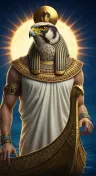
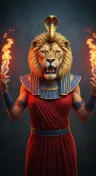
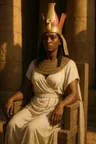
Honored deities
Questions & Answers
Questions about Feast of Bastet (Heb Bastet / Bubastis Festival)
What is Feast of Bastet (Heb Bastet / Bubastis Festival)?
The festival of Bastet at her cult center of Bubastis (Per-Bast, 'House of Bastet') in the eastern Nile Delta was described by Herodotus in the fifth century BCE as the most joyous and most widely attended festival in all of Egypt, drawing hundreds of thousands of pilgrims from every nome of the land. Men and women traveled by barge, the women shaking sistra and clapping while the men played pipes; on passing any river town the barges would approach the bank, where the women shouted ribald jokes and raised their skirts in an act of license sacred to Bastet. Upon arrival, the feast was celebrated with music, dancing, wine beyond all other feasts, and public joyfulness. Bastet was not merely the cat-goddess of domesticity — she was the Eye of Ra, the solar fire tamed into gentleness and pleasure, the protector of the home and of women in childbirth, the dancer and musician who carried the sistrum (the sacred rattle of Hathor's music). As a independent deity with her own fierce identity, she could embody both fierce and gentle power — she was the cat who could become the lioness.
How do I celebrate Feast of Bastet (Heb Bastet / Bubastis Festival)?
Here is how to celebrate Feast of Bastet (Heb Bastet / Bubastis Festival): - This is a festival of unrestrained joy — celebrate as you see fit, with music, dance, wine, good food, and the company of loved ones - Honor your cats, if you have them, as sacred to Bastet — they are her living embodiment - Offer to Bastet: sistrum music (or any rattling percussion), copper, gold, and green jewelry, cat imagery, perfume, the color red and gold - Play music — any music — and dance in your home or outdoors - Practice the sacred ribaldry of Bastet: laugh loudly, speak frankly, be free of the social masks that ordinarily constrain you - Pray to Bastet for protection of your home, your family, and your children - Wear jewelry and adorn yourself — Bastet is the goddess of adornment, sensory pleasure, and the joy of the body
What is the spiritual meaning of Feast of Bastet (Heb Bastet / Bubastis Festival)?
The spiritual theme of Feast of Bastet (Heb Bastet / Bubastis Festival): Bastet's festival is the theological permission to be joyful. Joy is not frivolous — it is sacred. The Eye of Ra is not only destruction; it is also laughter, music, the shake of the sistrum, the warm weight of the cat in your lap. Where have you been denying yourself the joy that the gods themselves celebrate?. Reflection prompts: What brings you pure, uncomplicated joy — not productive, not improving, just joyful — and when did you last allow yourself that experience fully? Bastet is fierce and gentle at once. Where in your own nature are you refusing to hold both your fierceness and your tenderness at the same time?
What historical sources mention Feast of Bastet (Heb Bastet / Bubastis Festival)?
Historical sources for Feast of Bastet (Heb Bastet / Bubastis Festival) include: Herodotus, Histories 2.60 — the primary and most detailed surviving description of the Bubastis festival; Herodotus, Histories 2.137–138 — description of the temple of Bastet at Bubastis; Tell Basta (Bubastis) archaeological finds — bronze cat votives, cat mummies, festival inscriptions; Papyrus Jumilhac — Bastet's mythological role as Eye of Ra; Inscription of Osorkon II at Bubastis — relief of the festival procession.
What is Feast of Bastet (Heb Bastet / Bubastis Festival) in the Kemetic tradition?
Feast of Bastet (Heb Bastet / Bubastis Festival) is a Kemetic festival. The festival of Bastet at her cult center of Bubastis (Per-Bast, 'House of Bastet') in the eastern Nile Delta was described by Herodotus in the fifth century BCE as the most joyous and most widely attended festival in all of Egypt, drawing hundreds of thousands of pilgrims from every nome of the land. Men and women traveled by barge with music and celebration, making it a festival of sacred joy and divine pleasure.
What should I meditate on during Feast of Bastet (Heb Bastet / Bubastis Festival)?
During Feast of Bastet (Heb Bastet / Bubastis Festival), meditate on: Bastet's festival is the theological permission to be joyful. Joy is not frivolous — it is sacred. The Eye of Ra is not only destruction; it is also laughter, music, the shake of the sistrum, the warm weight of the cat in your lap. Where have you been denying yourself the joy that the gods themselves celebrate?