𓂀 Kemetic Festival · August
Festival of Drunkenness (Feast of the Eye of Ra / Tekhi)
Significance
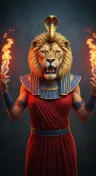
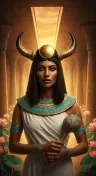
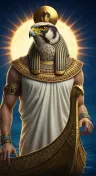
The Festival of Drunkenness (Heb Tekhi, also called the Feast of the Eye of Ra) commemorated one of the most dramatic myths in Egyptian theology: Ra, despairing of humanity's rebellion, sent his eye — in the form of Sekhmet, the lioness goddess of destruction — to annihilate humanity. But Sekhmet became intoxicated by her own fury and could not be recalled until Ra tricked her: he flooded the fields with red beer (dyed to resemble blood), Sekhmet drank it all and passed into a drunken stupor, transforming back into the gentle Hathor. Humanity was saved. The festival honored this transformation through ritual drunkenness, music, dance, and sensory celebration — participants drank beer, played instruments, and let themselves be moved beyond the ordinary threshold of sobriety as an act of worship and sacred surrender. The text of the myth survives in the Destruction of Mankind, found in the tomb of Seti I (KV17) and other Nineteenth Dynasty royal tombs.
Traditional observances
- Prepare red beer, red wine, or pomegranate juice as the ritual drink of the festival
- Play music — drums, sistrum-like rattles, or recorded Egyptian or world percussion
- Dance — embodied, sensory movement is the devotional act of this festival
- Offer to Sekhmet: red candles, lion imagery, red flowers, fierce acknowledgment of her power
- Offer to Hathor: mirrors, music, copper, turquoise, sweet perfume, joy
- Meditate on the moment when destruction becomes tenderness — when rage becomes love
- Practice conscious release of control: let music, movement, or emotion carry you
- Pray for protection from epidemics and disease, which Sekhmet governs and which she can also heal
Honored deities
Questions & Answers
Questions about Festival of Drunkenness (Feast of the Eye of Ra / Tekhi)
What is Festival of Drunkenness (Feast of the Eye of Ra / Tekhi)?
The Festival of Drunkenness (Heb Tekhi, also called the Feast of the Eye of Ra) commemorated one of the most dramatic myths in Egyptian theology: Ra, despairing of humanity's rebellion, sent his eye — in the form of Sekhmet, the lioness goddess of destruction — to annihilate humanity. But Sekhmet became intoxicated by her own fury and could not be recalled until Ra tricked her: he flooded the fields with red beer (dyed to resemble blood), Sekhmet drank it all and passed into a drunken stupor, transforming back into the gentle Hathor. Humanity was saved. The festival honored this transformation through ritual drunkenness, music, dance, and sensory celebration — participants drank beer, played instruments, and let themselves be moved beyond the ordinary threshold of sobriety as an act of worship and sacred surrender. The text of the myth survives in the Destruction of Mankind, found in the tomb of Seti I (KV17) and other Nineteenth Dynasty royal tombs.
How do I celebrate Festival of Drunkenness (Feast of the Eye of Ra / Tekhi)?
Here is how to celebrate Festival of Drunkenness (Feast of the Eye of Ra / Tekhi): - Prepare red beer, red wine, or pomegranate juice as the ritual drink of the festival - Play music — drums, sistrum-like rattles, or recorded Egyptian or world percussion - Dance — embodied, sensory movement is the devotional act of this festival - Offer to Sekhmet: red candles, lion imagery, red flowers, fierce acknowledgment of her power - Offer to Hathor: mirrors, music, copper, turquoise, sweet perfume, joy - Meditate on the moment when destruction becomes tenderness — when rage becomes love - Practice conscious release of control: let music, movement, or emotion carry you - Pray for protection from epidemics and disease, which Sekhmet governs and which she can also heal
What is the spiritual meaning of Festival of Drunkenness (Feast of the Eye of Ra / Tekhi)?
The spiritual theme of Festival of Drunkenness (Feast of the Eye of Ra / Tekhi): The same eye that destroys also heals. Sekhmet does not become tame — she becomes Hathor, and Hathor becomes Sekhmet. The lioness and the golden cow are one. What ferocity in you is waiting to be transformed not into weakness, but into joy?. Reflection prompts: Where in your life has a destructive force — grief, rage, despair — eventually cracked open something unexpectedly tender? What would it mean to surrender your defenses, just for one night, and trust that the universe is not hunting you?
What is Festival of Drunkenness (Feast of the Eye of Ra / Tekhi) in the Kemetic tradition?
Festival of Drunkenness (Feast of the Eye of Ra / Tekhi) is a Kemetic festival. The Festival of Drunkenness (Heb Tekhi, also called the Feast of the Eye of Ra) commemorated one of the most dramatic myths in Egyptian theology: Ra, despairing of humanity's rebellion, sent his eye — in the form of Sekhmet, the lioness goddess of destruction — to annihilate humanity. But Sekhmet became intoxicated by her own fury and could not be recalled until Ra tricked her: he flooded the fields with red beer (dyed to resemble blood), Sekhmet drank it all and passed into a drunken stupor, transforming back into the gentle Hathor.
What historical sources mention Festival of Drunkenness (Feast of the Eye of Ra / Tekhi)?
Historical sources for Festival of Drunkenness (Feast of the Eye of Ra / Tekhi) include: Book of the Heavenly Cow (Destruction of Mankind) — found in the tomb of Seti I (KV17), also Ramesses II, III, and VI; Temple of Mut at Karnak — festival texts referencing the pacification of the Eye; Papyrus Leiden I 344 — Sekhmet ritual texts; Temple of Hathor at Dendera — reliefs of Hathor's drunken pacification.
What should I meditate on during Festival of Drunkenness (Feast of the Eye of Ra / Tekhi)?
During Festival of Drunkenness (Feast of the Eye of Ra / Tekhi), meditate on: The same eye that destroys also heals. Sekhmet does not become tame — she becomes Hathor, and Hathor becomes Sekhmet. The lioness and the golden cow are one. What ferocity in you is waiting to be transformed not into weakness, but into joy?