𓂀 Kemetic Festival · November to December
Khoiak Mysteries (Feast of Sokar-Osiris)
Significance
The Khoiak Mysteries were among the most theologically dense and emotionally complex festivals in the Egyptian calendar — a 30-day ritual cycle enacting the death, search, lamentation, and resurrection of Osiris. The core ritual was the creation of 'Osiris beds' or grain mummies: molds in the shape of Osiris were filled with soil and grain seeds, watered, and placed in darkened chambers where the grain germinated in secret, representing the resurrection of the god within the earth. On the final day the germinated figures were placed in the sun or interred. Lamentations of Isis and Nephthys were sung — surviving texts (the Lamentations of Isis and Nephthys, Papyrus Bremner-Rhind) are among the most beautiful liturgical poetry from the ancient world. The mysteries were performed in temple sanctuary and on the rooftops of temples by torch and moonlight. The Osirian rites are documented in elaborate detail in the Calendar of Medinet Habu (Ramesses III), the Edfu texts, and particularly the texts of the Dendera Temple Osiris chambers, which preserve the most complete late-period account of the Khoiak rituals.
Traditional observances
- Plant seeds in a small tray or pot — wheat, barley, or any grain — as a living Osiris bed. Water them throughout the festival period and watch for germination as a symbol of resurrection
- Read or listen to the Lamentations of Isis and Nephthys (Papyrus Bremner-Rhind, available in English translation) as a liturgical act
- Light green candles for Osiris (green is the color of his resurrection and of the Nile silt)
- Offer barley bread, dark beer, onions (sacred to Osiris at Abydos), and green vegetables
- Observe a period of mourning and reflection — journal about loss, grief, and what you have buried
- As the month closes, celebrate the resurrection: bring your grain seedlings into the light, feast with family, and offer to Osiris as 'Wennefer' (the Beautiful One Who Is Eternally Good)
- Wear black for mourning phases and green or white for the resurrection phase
- Visit or make offerings at a site associated with burial or memory — a cemetery, a memorial, a place of loss
Honored deities
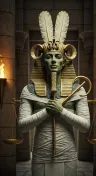
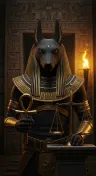
Questions & Answers
Questions about Khoiak Mysteries (Feast of Sokar-Osiris)
What is Khoiak Mysteries (Feast of Sokar-Osiris)?
The Khoiak Mysteries were among the most theologically dense and emotionally complex festivals in the Egyptian calendar — a 30-day ritual cycle enacting the death, search, lamentation, and resurrection of Osiris. The core ritual was the creation of 'Osiris beds' or grain mummies: molds in the shape of Osiris were filled with soil and grain seeds, watered, and placed in darkened chambers where the grain germinated in secret, representing the resurrection of the god within the earth. On the final day the germinated figures were placed in the sun or interred. Lamentations of Isis and Nephthys were sung — surviving texts (the Lamentations of Isis and Nephthys, Papyrus Bremner-Rhind) are among the most beautiful liturgical poetry from the ancient world. The mysteries were performed in temple sanctuary and on the rooftops of temples by torch and moonlight. The Osirian rites are documented in elaborate detail in the Calendar of Medinet Habu (Ramesses III), the Edfu texts, and particularly the texts of the Dendera Temple Osiris chambers, which preserve the most complete late-period account of the Khoiak rituals.
How do I celebrate Khoiak Mysteries (Feast of Sokar-Osiris)?
Here is how to celebrate Khoiak Mysteries (Feast of Sokar-Osiris): - Plant seeds in a small tray or pot — wheat, barley, or any grain — as a living Osiris bed. Water them throughout the festival period and watch for germination as a symbol of resurrection - Read or listen to the Lamentations of Isis and Nephthys (Papyrus Bremner-Rhind, available in English translation) as a liturgical act - Light green candles for Osiris (green is the color of his resurrection and of the Nile silt) - Offer barley bread, dark beer, onions (sacred to Osiris at Abydos), and green vegetables - Observe a period of mourning and reflection — journal about loss, grief, and what you have buried - As the month closes, celebrate the resurrection: bring your grain seedlings into the light, feast with family, and offer to Osiris as 'Wennefer' (the Beautiful One Who Is Eternally Good) - Wear black for mourning phases and green or white for the resurrection phase - Visit or make offerings at a site associated with burial or memory — a cemetery, a memorial, a place of loss
What is the spiritual meaning of Khoiak Mysteries (Feast of Sokar-Osiris)?
The spiritual theme of Khoiak Mysteries (Feast of Sokar-Osiris): Osiris dies not as defeat but as transformation. He cannot become the ruler of the Duat, the perfected realm of the dead and reborn, without first dying. The seed cannot become the grain without being buried. What in you must die — must go into the dark earth — before it can emerge as something transformed?. Reflection prompts: What have you been mourning — a relationship, a version of yourself, a dream — that is waiting not to be recovered but to be resurrected in a new form? Isis searched every corner of the world for every piece of Osiris. What scattered pieces of yourself are you in the process of gathering back together?
What historical sources mention Khoiak Mysteries (Feast of Sokar-Osiris)?
Historical sources for Khoiak Mysteries (Feast of Sokar-Osiris) include: Calendar of Medinet Habu — Khoiak offerings and rites under Ramesses III; Dendera Temple, Osiris Rooms (upper chambers) — the most detailed Khoiak ritual calendar surviving, Ptolemaic era; Papyrus Bremner-Rhind — contains the Lamentations of Isis and Nephthys (the Songs of Isis and Nephthys); Plutarch, De Iside et Osiride — Greek account of the Osiris cycle and Khoiak rites; Abydos festival records — Osirian mysteries at the cult center of Osiris; Papyrus Salt 825 — ritual procedures for Osirian rites.
What is Khoiak Mysteries (Feast of Sokar-Osiris) in the Kemetic tradition?
Khoiak Mysteries (Feast of Sokar-Osiris) is a Kemetic festival. The Khoiak Mysteries were among the most theologically dense and emotionally complex festivals in the Egyptian calendar — a 30-day ritual cycle enacting the death, search, lamentation, and resurrection of Osiris. The core ritual was the creation of 'Osiris beds' or grain mummies: molds in the shape of Osiris were filled with soil and grain seeds, watered, and placed in darkened chambers where the grain germinated in secret, representing the resurrection of the god within the earth.
What should I meditate on during Khoiak Mysteries (Feast of Sokar-Osiris)?
During Khoiak Mysteries (Feast of Sokar-Osiris), meditate on: Osiris dies not as defeat but as transformation. He cannot become the ruler of the Duat, the perfected realm of the dead and reborn, without first dying. The seed cannot become the grain without being buried. What in you must die — must go into the dark earth — before it can emerge as something transformed?