𓂀 Kemetic Festival · September to October
Feast of Opet (Heb Opet)
Significance
The Opet Festival was the longest and most elaborately staged state festival in the Egyptian calendar during the New Kingdom, growing from 11 days in the reign of Thutmose III to 27 days under Ramesses III. The sacred barques of the Theban Triad — Amun, Mut, and Khonsu — were carried in solemn procession from their shrines at Karnak Temple south to the Luxor Temple (Ipet-resyt, 'the Southern Harem'), where the pharaoh underwent a sacred rite of renewal: his mortal self was joined with his divine ka (spiritual double), affirming that the king who ruled Egypt was not merely human but the living embodiment of Amun on earth. This was the theological and political heart of the New Kingdom. The people lined the processional avenue to receive oracles from the barques; the gods were believed to communicate divine will through the movements of the barques as they were carried. The festival concluded with a return procession along the Nile and an enormous public feast. The Calendar of Medinet Habu and the reliefs at Luxor Temple (particularly those of Amenhotep III and Ramesses II) are the primary records.
Traditional observances
- This is a festival of divine renewal — plan a major act of personal spiritual renewal lasting multiple days if possible
- Visit a place of beauty or power (a temple, a mountain, a significant site in your landscape) as a pilgrimage
- Offer to the Theban Triad: Amun (incense, gold, ram imagery), Mut (vulture imagery, motherly offerings), Khonsu (lunar offerings, silver)
- Perform a ritual of re-crowning yourself: name your roles and responsibilities aloud and renew your commitment to them
- Ask for an oracle: pose a question and watch for the answer in the signs of the following days
- Cook a feast and share it with family or community as the public feast concluded Opet
- Meditate on the union of the human and the divine within yourself — you are also both mortal and a child of the Netjeru
Honored deities
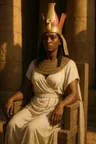
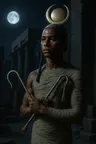
Questions & Answers
Questions about Feast of Opet (Heb Opet)
What is Feast of Opet (Heb Opet)?
The Opet Festival was the longest and most elaborately staged state festival in the Egyptian calendar during the New Kingdom, growing from 11 days in the reign of Thutmose III to 27 days under Ramesses III. The sacred barques of the Theban Triad — Amun, Mut, and Khonsu — were carried in solemn procession from their shrines at Karnak Temple south to the Luxor Temple (Ipet-resyt, 'the Southern Harem'), where the pharaoh underwent a sacred rite of renewal: his mortal self was joined with his divine ka (spiritual double), affirming that the king who ruled Egypt was not merely human but the living embodiment of Amun on earth. This was the theological and political heart of the New Kingdom. The people lined the processional avenue to receive oracles from the barques; the gods were believed to communicate divine will through the movements of the barques as they were carried. The festival concluded with a return procession along the Nile and an enormous public feast. The Calendar of Medinet Habu and the reliefs at Luxor Temple (particularly those of Amenhotep III and Ramesses II) are the primary records.
How do I celebrate Feast of Opet (Heb Opet)?
Here is how to celebrate Feast of Opet (Heb Opet): - This is a festival of divine renewal — plan a major act of personal spiritual renewal lasting multiple days if possible - Visit a place of beauty or power (a temple, a mountain, a significant site in your landscape) as a pilgrimage - Offer to the Theban Triad: Amun (incense, gold, ram imagery), Mut (vulture imagery, motherly offerings), Khonsu (lunar offerings, silver) - Perform a ritual of re-crowning yourself: name your roles and responsibilities aloud and renew your commitment to them - Ask for an oracle: pose a question and watch for the answer in the signs of the following days - Cook a feast and share it with family or community as the public feast concluded Opet - Meditate on the union of the human and the divine within yourself — you are also both mortal and a child of the Netjeru
What is the spiritual meaning of Feast of Opet (Heb Opet)?
The spiritual theme of Feast of Opet (Heb Opet): The king must go to Luxor to meet his own divine self. Not to receive power from outside, but to be reminded of who he already is. What would it mean to journey to your own southern temple — the hidden inner sanctuary — and reunite with your own divine ka?. Reflection prompts: If your highest spiritual self (your ka) could speak to your everyday self, what would it say about how you have been living? What roles and responsibilities do you carry that need to be consciously renewed and recommitted to, rather than just continued out of habit?
What is Feast of Opet (Heb Opet) in the Kemetic tradition?
Feast of Opet (Heb Opet) is a Kemetic festival. The Opet Festival was the longest and most elaborately staged state festival in the Egyptian calendar during the New Kingdom, growing from 11 days in the reign of Thutmose III to 27 days under Ramesses III. The sacred barques of the Theban Triad — Amun, Mut, and Khonsu — were carried in solemn procession from their shrines at Karnak Temple south to the Luxor Temple (Ipet-resyt, 'the Southern Harem'), where the pharaoh underwent a sacred rite of renewal.
What historical sources mention Feast of Opet (Heb Opet)?
Historical sources for Feast of Opet (Heb Opet) include: Calendar of Medinet Habu (Ramesses III) — lists Opet offerings and duration; Luxor Temple reliefs of Amenhotep III — the Opet procession carved on the colonnade; Luxor Temple reliefs of Ramesses II — the return procession and offerings; Papyrus Harris I — records of Opet festival expenditures under Ramesses III; Temple of Amun at Karnak — processional inscriptions.
What should I meditate on during Feast of Opet (Heb Opet)?
During Feast of Opet (Heb Opet), meditate on: The king must go to Luxor to meet his own divine self. Not to receive power from outside, but to be reminded of who he already is. What would it mean to journey to your own southern temple — the hidden inner sanctuary — and reunite with your own divine ka?