𓂀 Kemetic Festival · Late July to early August
Wep Ronpet (Opening of the Year / Kemetic New Year)
Significance
Wep Ronpet — the 'Opening of the Year' — was the most cosmologically significant festival in the Egyptian calendar, marking the simultaneous arrival of three great events: the heliacal rising of Sopdet (Sirius, the brightest star in the sky) after 70 days of invisibility below the horizon, the beginning of the annual Nile inundation that would fertilize the fields and sustain all life, and the birth of the new year itself. Temple texts describe Sopdet as 'she who brings the flood and the new year' and the moment of her rising as the eye of Ra opening again after the dark season. The five days preceding Wep Ronpet proper (the Heriu-Renpet, the epagomenal days 'outside the year') were each consecrated to one of the five children born to Nut and Geb in defiance of Ra's edict: Osiris on the first, Heru-wer on the second, Set on the third, Aset on the fourth, and Nebet-het on the fifth. These were considered liminal, dangerous, and sacred days outside ordinary time. The Calendar of Medinet Habu records the festival explicitly, and the Pyramid Texts from as early as the Old Kingdom speak of Sopdet as the divine herald of renewal.
Traditional observances
- Five Epagomenal Days (days before New Year): Honor each child of Nut on their day — Osiris (green offerings, grain, vegetation), Horu-wer (gold solar offerings), Set (red offerings, desert sand, acknowledgment of necessary chaos), Aset (throne imagery, blue and gold, wisdom offerings), Nebet-het (dark flowers, offerings for mourning and protection)
- On Wep Ronpet itself: Wake before sunrise if possible and greet the dawn as Sopdet's return
- Pour a libation of cool water — Nile water, well water, or clean water — to the rising sun and to Sopdet
- Ritually clean your home and sacred space to receive the new year
- Write the name of what you are releasing from the old year on paper and burn it before sunrise
- Write your intentions for the new year and seal them in an envelope to be opened at next Wep Ronpet
- Offer bread, beer, linen, incense (frankincense or kyphi), and fresh flowers
- Recite or meditate on the Great Hymn to Ra at dawn
- Wear white and gold as the colors of the new year's purity and solar light
Honored deities
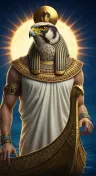

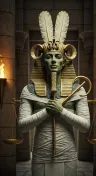
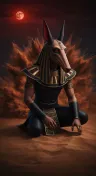
Questions & Answers
Questions about Wep Ronpet (Opening of the Year / Kemetic New Year)
What is Wep Ronpet and how is it celebrated?
Wep Ronpet — 'the Opening of the Year' — is the Kemetic New Year, marked by the heliacal rising of Sopdet (Sirius), the brightest star, which heralded the life-giving Nile inundation. This was the most important calendrical event in ancient Kemet, signaling the renewal of cosmic order and the triumph of Ma'at. Modern practitioners celebrate with thorough household cleansing, elaborate shrine offerings, feasting, the lighting of candles for each Neter, spoken prayers of renewal, and the setting of intentions for the coming year. It is a time of profound cosmic reset, when the old year dies and the new is born.
What is Wep Ronpet (Opening of the Year / Kemetic New Year)?
Wep Ronpet — the 'Opening of the Year' — was the most cosmologically significant festival in the Egyptian calendar, marking the simultaneous arrival of three great events: the heliacal rising of Sopdet (Sirius, the brightest star in the sky) after 70 days of invisibility below the horizon, the beginning of the annual Nile inundation that would fertilize the fields and sustain all life, and the birth of the new year itself. Temple texts describe Sopdet as 'she who brings the flood and the new year' and the moment of her rising as the eye of Ra opening again after the dark season. The five days preceding Wep Ronpet proper (the Heriu-Renpet, the epagomenal days 'outside the year') were each consecrated to one of the five children born to Nut and Geb in defiance of Ra's edict: Osiris on the first, Heru-wer on the second, Set on the third, Aset on the fourth, and Nebet-het on the fifth. These were considered liminal, dangerous, and sacred days outside ordinary time. The Calendar of Medinet Habu records the festival explicitly, and the Pyramid Texts from as early as the Old Kingdom speak of Sopdet as the divine herald of renewal.
How do I celebrate Wep Ronpet (Opening of the Year / Kemetic New Year)?
Here is how to celebrate Wep Ronpet (Opening of the Year / Kemetic New Year): - Five Epagomenal Days (days before New Year): Honor each child of Nut on their day — Osiris (green offerings, grain, vegetation), Horu-wer (gold solar offerings), Set (red offerings, desert sand, acknowledgment of necessary chaos), Aset (throne imagery, blue and gold, wisdom offerings), Nebet-het (dark flowers, offerings for mourning and protection) - On Wep Ronpet itself: Wake before sunrise if possible and greet the dawn as Sopdet's return - Pour a libation of cool water — Nile water, well water, or clean water — to the rising sun and to Sopdet - Ritually clean your home and sacred space to receive the new year - Write the name of what you are releasing from the old year on paper and burn it before sunrise - Write your intentions for the new year and seal them in an envelope to be opened at next Wep Ronpet - Offer bread, beer, linen, incense (frankincense or kyphi), and fresh flowers - Recite or meditate on the Great Hymn to Ra at dawn - Wear white and gold as the colors of the new year's purity and solar light
What is the spiritual meaning of Wep Ronpet (Opening of the Year / Kemetic New Year)?
The spiritual theme of Wep Ronpet (Opening of the Year / Kemetic New Year): The star returns. After 70 days of darkness and absence, Sopdet rises and the Nile answers, and Egypt lives again. Every return is a resurrection. What in you has been beneath the horizon, invisible, waiting for the conditions of its return? What new year begins not on January 1 but at the true turning of your own flood?. Reflection prompts: What did the old year take from you, and what did it give you? Write the accounting before the new year opens. Sopdet disappears for 70 days — what part of yourself have you been keeping invisible that is now ready to rise?
I performed the Wep Ronpet ritual for the Kemetic new year but forgot to offer bread. Did I ruin it?
You did not ruin it. Wep Ronpet -- the 'Opening of the Year,' celebrating the rising of the star Sopdet (Sirius) -- is about welcoming the new cycle and honoring the Netjeru. The spirit of the ritual matters more than a checklist of offerings. If you offered water, lit a candle, and spoke with sincere devotion, the Netjeru received your celebration. You can always offer the bread later as a supplementary gift. The ancient priests sometimes had to improvise too. Perfection was never the standard -- Ma'at was. And Ma'at is about truth, not flawless execution.
What historical sources mention Wep Ronpet (Opening of the Year / Kemetic New Year)?
Historical sources for Wep Ronpet (Opening of the Year / Kemetic New Year) include: Calendar of Medinet Habu (mortuary temple of Ramesses III, Twentieth Dynasty) — lists Wep Ronpet offerings; Pyramid Texts, Utterance 442 and related Sopdet hymns; Papyrus Sallier IV — the Cairo Calendar notes the epagomenal days and their associated myths; Temple of Hathor at Dendera — New Year festival chamber with Sopdet imagery; Censorinus, De Die Natali 21 — on the Sothic cycle and the heliacal rising.