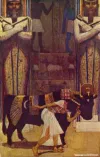
Kemetic · Development of Religion and Thought in Ancient Egypt · 7 of 15
The Emergence of the Moral Sense — Moral Worthiness and the Hereafter — Scepticism
Emergence of the Moral Sense—Moral Worthiness and the Hereafter—Scepticism and the Problem of Suffering
(29th century to 18th century B.C.)
Religion first dealing with the material world—Emergence of the moral sense—Justice—Filial piety—Moral worthiness and the hereafter in tomb inscriptions—Earliest judgment of the dead—Moral justification in the Pyramid Texts—The Pharaoh not exempt from moral requirements in the p. xxiii hereafter—Moral justification not of Osirian but of Solar origin—The limitations of the earliest moral sense—The triumph of character over material agencies of immortality—The realm of the gods begins to become one of moral values—Ruined pyramids and futility of such means—Resulting scepticism and rise of subjective contemplation—Song of the harper—The problem of suffering and the unjustly afflicted—The "Misanthrope," the earliest Job.